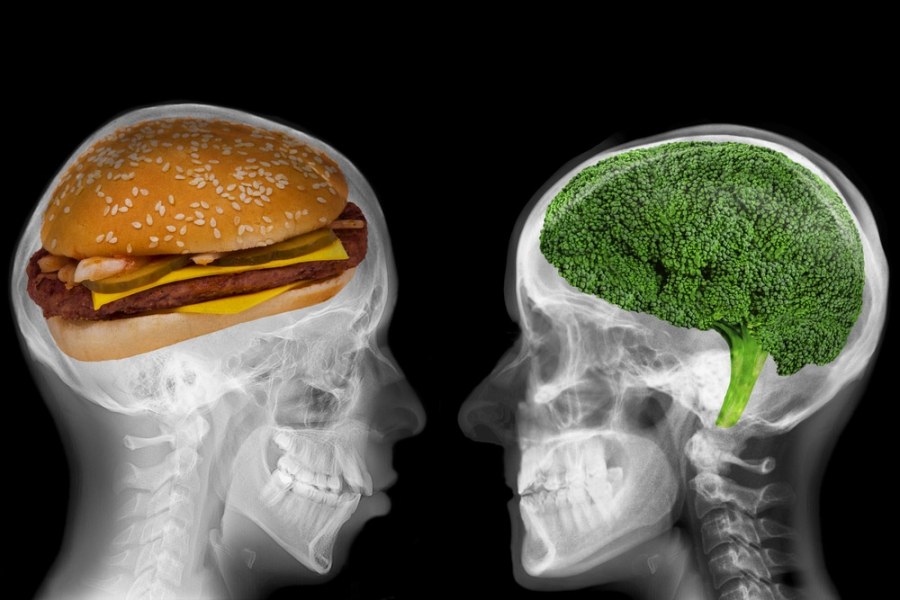
NORTH DAKOTA ( KXNET It’s well-known that diabetes can lead to various health complications such as heart disease and visual impairments. However, recent research indicates that it may also affect memory and other cognitive abilities.
Scientists from the University of Nevada, Las Vegas (UNLV) studied both brain activity and behaviors in rodent subjects and discovered that type 2 diabetes has the potential to "reconfigure" the brain in a manner akin to early-onset Alzheimer's disease.
Diabetes might be affecting the brain in ways similar to the initial phases of Alzheimer's disease," stated lead researcher and UNLV psychology professor James Hyman. "While more studies are necessary, these discoveries could assist scientists in uncovering new insights into better diagnostic methods or treatments for this condition.
As indicated by earlier research, individuals with type 2 diabetes are more likely to experience an increased risk of neurodegenerative diseases.
It is thought to result from elevated blood glucose levels affecting the anterior cingulate cortex (ACC), a region of the brain associated with cognitive and emotional processes.
Experts suggest that the ACC is associated with motivation, decision-making, tracking goals, seeking pleasure, processing rewards, and regulating emotions.
For individuals with diabetes, elevated blood glucose levels may influence the reward signaling pathway between the hippocampus and the anterior cingulate cortex (ACC).
Rewards, or reaching objectives, play a crucial role in guiding our future choices; therefore, if our brain responses vary, it's probable that our subsequent decisions will also differ," Hyman stated. "This carries significant consequences for individuals dealing with type 2 diabetes management because adhering to regular tests and making lifestyle modifications are essential components.
This can also provide an explanation as to why it’s hard for some people to stick with a new diet or exercise regimen — their brains don’t respond normally to rewarding events.
"This information can assist individuals in persisting and staying dedicated, as their setbacks are not attributed to personal shortcomings but rather to changes in brain function," Hyman noted.
Dr. Adam Scioli, who serves as the Chief Medical Officer at Caron Treatment Centers, noted that the brain's reward system has the ability to aid in engraving memories.
"It stands to reason that any substance—such as sugar—that affects and saturates the reward system could have long-lasting effects on cognitive functions and working memory," Scioli explained.
The idea of reward and memory in type 2 diabetes is similar to addiction, where both conditions have an altered hippocampus-ACC connectivity.
The researchers noted, however, that the study had limitations since it was conducted on rodents, making the application to humans quite challenging.
Plus, Hyman said they only modeled chronic hyperglycemia, so it’s possible that other aspects could be different.
The group Hyman collaborated with intends to delve deeper into investigating the link between diabetes and brain function.
“Alzheimer’s disease goes undetected for decades because our brains are good at finding ways to compensate,” Hyman said. “Before diagnosis, people behave normally despite having changes in information processing. We even observed that in this study.”
He believes that individuals may be more inclined to track their blood sugar due to the increased risk of vulnerability to Alzheimer’s from significant fluctuations in glucose levels.
If you find it challenging to make lifestyle adjustments, Hyman advises you not to be too harsh on yourself. Instead, remain patient and recognize that the illness has altered your neural pathways.
To stay updated with the most recent news, weather reports, sporting events, and live streams, visit KX NEWS.
Comments
Post a Comment