Research indicates that stroke patients may have over 50 times more microplastics in their arteries when compared to those who are healthy.
This research contributes to mounting proof associating these hazardous particles with significant health hazards such as heart attacks, blood clots, and dementia.
Microplastics—small pieces originating from industrial activities or breaking down of larger plastic materials—are extensively found in the sea, within the food chain, and in our drinking water supplies.
These particles can be tiny enough to infiltrate bodily tissues and individual cells. Studies indicate that they might lead to health problems by releasing harmful substances into the body, thereby interfering with the endocrine system.
More contemporary research indicates that microplastics might be leading to obstructions in the brain, heart, and circulatory system.
Currently, scientists from the University of New Mexico Studies have demonstrated that individuals who have suffered from a stroke, transient ischemic attack, or fleeting visual impairment resulting from blocked blood vessels within their neck exhibited notably elevated levels of microplastics compared to those with unobstructed arteries.
The researchers categorized 50 trial subjects based on the degree of plaque accumulation present in their carotid arteries—the primary blood channels located on both sides of the neck that deliver blood to the head and brain.
A buildup known as plaque, which consists of fat deposits, cholesterol, and calcium, can appear throughout your body and may lead to conditions such as heart disease, stroke, and dementia.


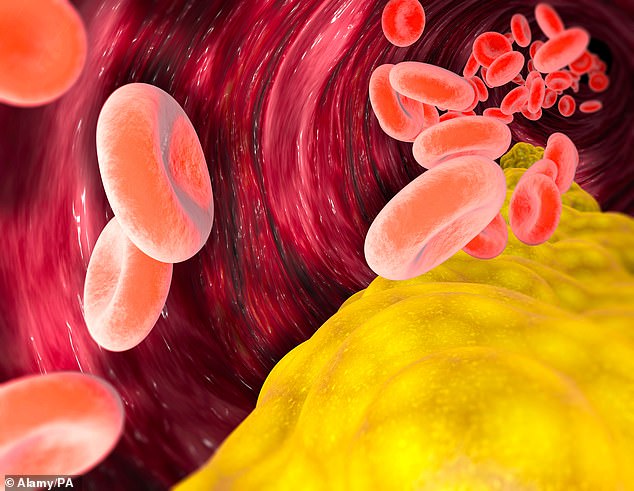
The research uncovered that participants with significant plaque accumulation had approximately 16 times greater microplastic buildup in their neck regions.
Individuals who encountered symptoms such as transient blindness or stroke due to this accumulation had over 50 times the quantity of microplastics compared to those without any buildup whatsoever.
Although the research, unveiled at an American Heart Association meeting last week, didn’t confirm that microplastics within plaques led to these issues, lead researcher Dr Ross Clark notes that it represents a significant advancement in comprehending the effects of these particles on our systems.
Read more
Comments
Post a Comment