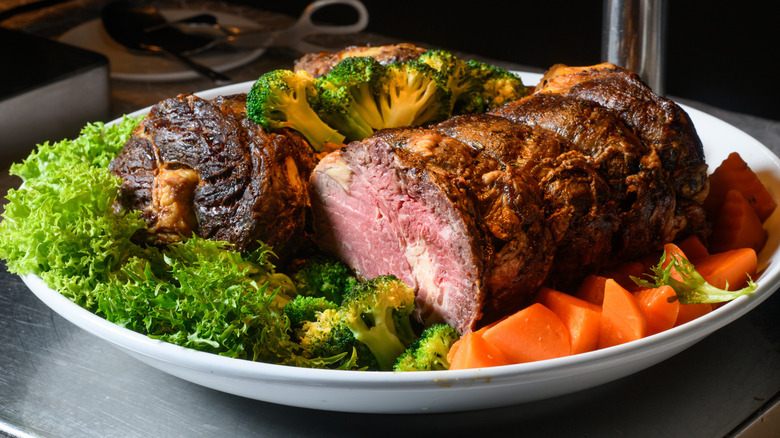
While High temperatures might work better for roasting an entire chicken. , and Pan roasting can be advantageous for numerous types of meat cuts. Tougher cuts require a distinct approach to achieve their optimal outcome. Cuts such as brisket or pork shoulder do not profit from being seared over high heat, unlike a well-marbled ribeye steak. These substantial, famously non-tender pieces of meat thrive with the low-and-slow technique instead. Similar to sous vide and barbecue processes, maintaining a steady lower temperature in an oven for extended periods enables the collagen within the thick, tough piece of meat to gradually dissolve and integrate back into the flesh, enhancing its tenderness significantly.
Collagen, which is a type of protein abundant in the tendons, skin, bones, and connective tissues of animals, is highly prized by individuals aiming to enhance their skin quality or preserve a youthful look. Beyond aesthetics, collagen also contributes significantly to transforming a coarse piece of meat into something soft and appealing. Animal proteins contain collagen that converts into a gel-like substance at approximately 160 degrees Fahrenheit. For optimal results from this transformation process during extended cooking times, maintaining an internal meat temperature ranging from 160 to 180 degrees Fahrenheit is recommended—something readily achievable with your oven.
Read more: The Most Popular Cuts Of Steak Ranked Worst To Best
Slow and low roasting is crucial for tenderizing tough cuts of meat.
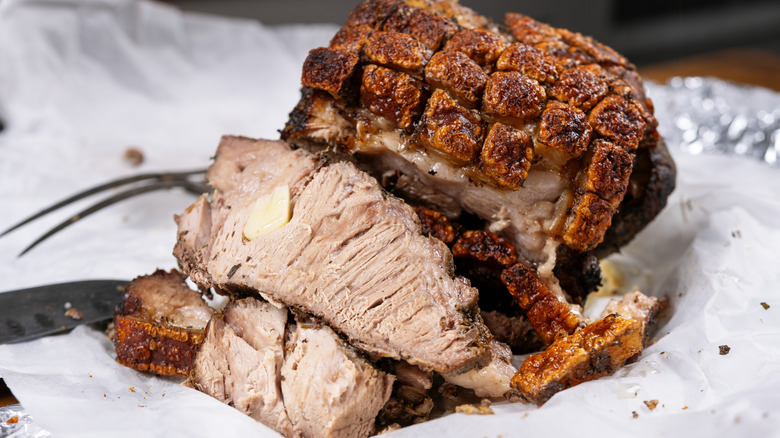
A perfectly slow-roasted piece of meat involves more than just tossing it into the oven. A reliable technique is to brine the roast beforehand in your fridge—either fully immersing it in a solution or coating it with salt for a dry brine. This salting step enhances both taste and tenderness. Post-brining—which typically takes all night—dry the exterior thoroughly and apply your preferred spices. Next, position the seasoned meat atop a wire rack set over a baking pan; this ensures airflow underneath for even cooking. Once done, when the meat reaches optimal succulence and softness, allow sufficient resting time prior to carving.
Slow roasting enables you to cut costs by using more affordable pieces of meat, as demonstrated here. recipe for slow-cooked top-round roast , commonly referred to as a "budget-friendly version." Alternatively, here’s a recipe for slow-roasted Puerto Rican pernil includes soaking the pork in marinade for the entire night along with making tiny incisions to insert whole garlic cloves into the flesh, ensuring it is bursting with taste.
Read the original article on Tasting Table .
Comments
Post a Comment